
Dangerous Goods Packaging, Testing and Shipping Solutions
Shipping dangerous goods requires the right combination of regulatory knowledge, tested packaging, proper containment, marking and labeling, documentation, and transportation expertise.
Through FCA Packaging and Viking Packing Specialist, customers have access to industrial packaging engineering combined with decades of dangerous-goods packaging, testing and shipping expertise.
Viking Packing Specialist, an FCA Packaging brand, provides dangerous-goods packaging and shipping support for air, ground and vessel transportation in accordance with applicable 49 CFR, ICAO/IATA and IMDG requirements. Viking’s dangerous-goods specialists can support shipments across all dangerous-goods hazard classes.
Whether you are shipping lithium batteries, EV batteries, aerospace components, oxygen equipment, chemicals or other regulated products, FCA and Viking can help develop a packaging and transportation solution around the product and applicable requirements.
Need help with a difficult dangerous-goods shipment?
Dangerous Goods Packaging Is More Than Product Protection
Traditional industrial packaging focuses primarily on preventing damage. Dangerous-good packaging may have to accomplish considerably more.

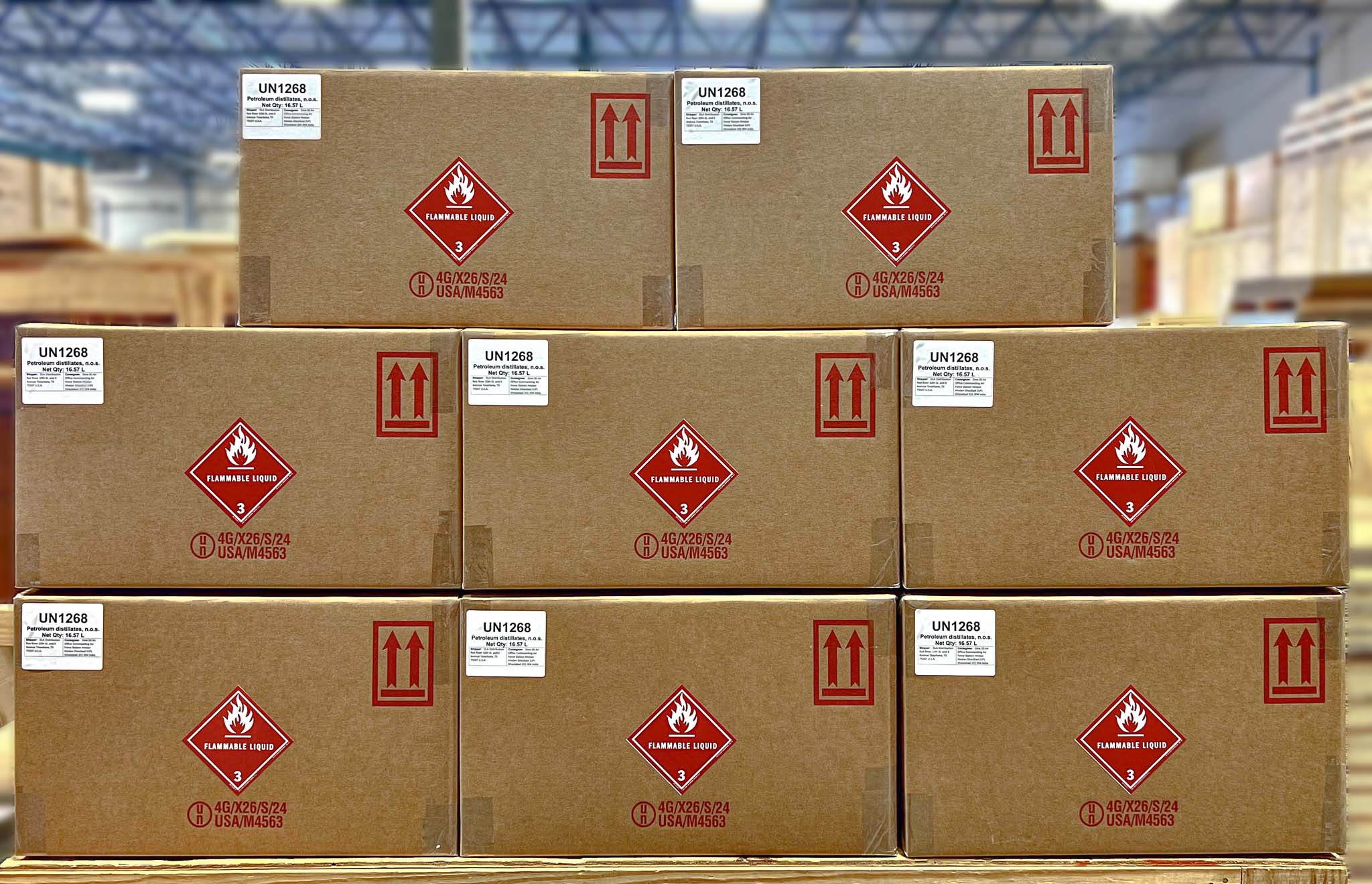
UN Specification Dangerous Goods Packaging
Many dangerous-goods shipments require packaging that has been tested to specific United Nations performance standards.
We provide tested UN Specification packaging and associated test information. Packages requiring UN Specification packaging can be tested to the requirements of 49 CFR 178.500, with documentation identifying the inner and outer packaging components associated with the tested configuration.
Dangerous-goods packaging options can include:
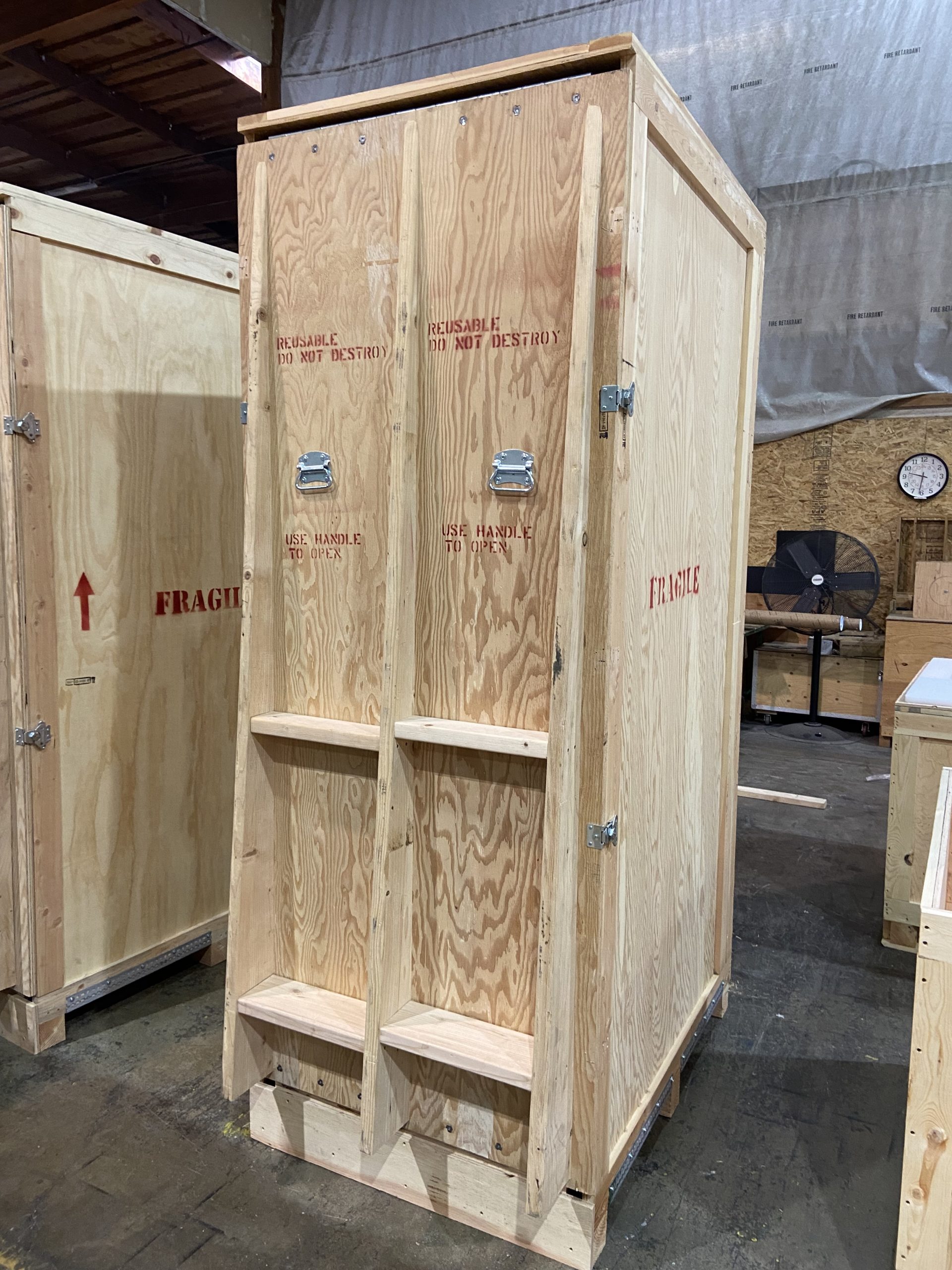
- 4D and 50D wooden crates
- 1A1 and 1A2 steel containers
- 4A and 50A metal packaging
- 4G and 4GV fiberboard boxes
- 1H1, 1H2 and 4H2 plastic packaging
ATA cases - Intermediate bulk containers
- Custom overpacks
Inner packaging and supplemental materials can include:
- Poly liners and poly bags
- Metal cans
- Ring-lock containers
- Absorbent materials
- Cushioning
- Blocking and bracing
- Product restraints
- Custom foam protection
The specific packaging configuration depends upon the dangerous good, quantity, packing group, transportation mode and applicable regulations.
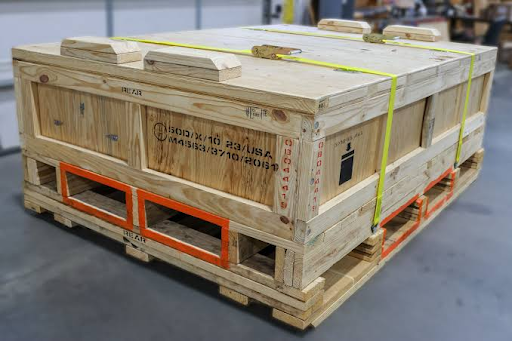
Lithium Battery and EV Battery Packaging
Lithium batteries create some of the most challenging dangerous-goods packaging applications because physical damage, internal defects or other failures can create a potential thermal-runaway event.
We have developed specialized capabilities around lithium-ion and EV battery packaging, including packaging for new, remanufactured and damaged, defective or recalled—DDR—batteries.
We are manufactures UN-compliant performance packaging for EV battery applications and has developed reusable systems capable of supporting both replacement batteries going to the field and removed DDR batteries returning through the supply chain.
Applications can include:
For large, heavy battery systems, FCA’s industrial packaging engineering and manufacturing capabilities can be combined with Viking’s dangerous-goods regulatory and testing expertise.
Lithium Battery Thermal-Runaway and Containment Testing
Packaging a lithium battery is not only about protecting the battery from transportation damage. In certain applications, the package may also need to be evaluated for what happens if the battery itself fails.
Dangerous-goods testing capabilities include lithium-battery thermal-runaway testing.
Testing capabilities include:
We can test and create solutions for mixed-chemistry e-bike battery containment. A fast-growing industry with high potential for damaged batteries.
Dangerous Goods Package Testing
FCA / Viking maintains dangerous-goods testing capabilities to help design and evaluate performance-oriented packaging under U.S. DOT and IATA requirements.
Testing capabilities include:
UN Specification Packaging Testing
Depending on the packaging configuration, testing can include:
- Drop testing
- Stack testing
- Vibration testing
- Hydrostatic testing
- Additional performance-oriented packaging tests
Testing can be performed on packaging including fiberboard boxes, wooden crates, DDR battery crates, drums, ATA cases and other systems.
7A Radioactive Material Package Testing
We provide testing for 7A radioactive-material packaging applications.
DOT 31FP Testing
Certain oxygen-related products require specialized packaging performance.
We provide DOT 31FP testing, including:
- Thermal-resistance testing
- Flame-penetration testing
Our published testing documentation includes packaging tested for prolonged thermal exposure and flame penetration.
UN2807 Magnetic Material Testing
Certain equipment transported by air can be regulated because of the strength of its magnetic field.
Our capabilities include:
- Magnetic-field measurement
- UN2807 air-transport compliance testing
- Evaluation of oilfield ESP motors and similar equipment
- Development of shielding solutions to reduce magnetic fields where appropriate
Dangerous Goods Shipping Services
Packaging is only one part of a compliant dangerous-goods shipment.
Our certified dangerous-goods shippers can prepare dangerous goods for air, ground and vessel transportation.
Services can include:
Examples of products identified by Viking include lithium batteries, dry ice and oxygen components requiring DOT 31FP packaging.
This capability can be particularly valuable when a company has an unusual shipment, an urgent shipment or a dangerous-goods product its normal shipping department does not regularly handle.
Dangerous Goods Repacking
A dangerous-goods shipment that arrives in incorrect, damaged or noncompliant packaging can create delays and risk.
We provide dangerous-goods repacking services for air, ground and vessel shipments.
The dangerous-goods team can assist with the identification, handling, packaging and preparation of regulated materials so that packaging problems can be corrected before the shipment moves through the transportation system.
Dangerous Goods Regulatory Consulting
One of the biggest advantages of FCA’s relationship with Viking is access to dangerous-goods regulatory expertise in addition to physical packaging design.
Dangerous-goods consultants help related to:
We can also help organizations evaluate existing processes and identify potential compliance gaps.
Dangerous Goods Training
Packaging works only when people understand how to use it correctly.
We provide dangerous-goods training related to 49 CFR and ICAO/IATA requirements and can develop training around a company’s particular dangerous-goods operations.
Training can help employees better understand:
The objective is not simply to provide a package, but to help customers build a more repeatable dangerous-goods shipping process.

Industries We Support
Dangerous goods occur throughout modern manufacturing.
FCA and Viking capabilities can support applications in industries including:
We specifically support automotive EV battery applications, aerospace dangerous goods, oil-and-gas equipment, defense applications and air-freight customers.
From Packaging Design to Manufacturing
FCA Packaging can support the packaging process from initial requirements through production.
Viking has decades of experience in dangerous-goods packaging and became part of FCA Packaging in 2025, combining Viking’s regulatory and testing expertise with FCA’s broader industrial-packaging capabilities.
Frequently Asked Questions
UN Specification packaging is performance-oriented packaging designed and tested to prescribed standards for the transportation of certain dangerous goods. The precise packaging authorization depends on the material, packing group, transportation mode and applicable regulation.
Yes. Viking provides testing for UN Specification packaging and lists capabilities including drop, stacking, vibration and hydrostatic testing, along with specialized dangerous-goods tests.
Yes. Viking provides packaging solutions for lithium batteries and has specialized capabilities involving EV batteries, including new, remanufactured and damaged, defective or recalled battery systems.
Yes. Viking lists thermal-runaway induction and containment testing for battery bags, pouches and crates among its dangerous-goods testing capabilities.
Yes. Viking’s certified dangerous-goods shippers support air, ground and vessel shipments and can provide packaging, marking, labeling and applicable dangerous-goods shipping documentation.
Yes. Viking provides consulting related to 49 CFR, ICAO/IATA and IMDG requirements, including assistance with classification, packaging, marking, labeling, documentation, procedures, audits and training.
Depending upon the application, solutions can include wooden crates, steel containers, fiberboard boxes, plastic containers, ATA cases, liners, absorbents, cushioning materials and other inner and outer packaging components.

When the Shipment Is Difficult, Start With the Dangerous Goods Experts
A dangerous-goods shipment should not be forced into a packaging solution that was designed for an ordinary product.
Start with:
Expert Dangerous Goods Packaging Solutions Built Around Your Requirements
Then engineer the solution around those requirements.
With FCA Packaging and Viking Packing Specialist, customers can bring together dangerous-goods regulatory knowledge, specialized testing, custom packaging engineering, manufacturing and shipping support.
From an individual dangerous-goods shipment to a nationwide EV battery return program, we can help develop a solution built around the product, the regulations and the realities of transportation.
Have a difficult dangerous-goods packaging challenge?
