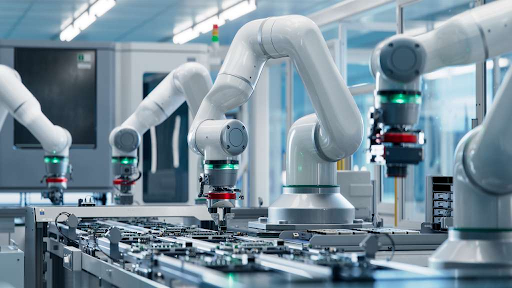
Robotic arms and automation equipment are built for precision, but that precision can make them particularly vulnerable during transportation. Sensitive joints, sensors, cables, controllers, tooling, and other components can be affected by shock, vibration, movement, moisture, and improper handling.
For manufacturers, integrators, and automation companies, choosing the right packaging is essential to ensure equipment arrives safely and ready for installation. Effective robotic arm packaging should be designed around the equipment, shipping environment, and handling requirements rather than relying on a standard-size container.
Understand the Equipment Before Designing the Packaging
Every robotic system has different dimensions, weight distribution, mounting points, and vulnerable components. Packaging design should begin with a detailed understanding of the equipment.
Important factors include:
- Equipment dimensions and total weight
- Center of gravity and lifting requirements
- Sensitive joints, sensors, and controls
- Cables and exposed components
- Shipping distance and transportation methods
- Domestic or international shipping requirements
This information helps determine the appropriate combination of structural support, cushioning, restraints, and exterior protection.
Secure Robotic Arms to Prevent Movement
One of the most important goals of robotics packaging is preventing unwanted movement during transportation. A robotic arm that shifts inside its packaging can place stress on joints, mounting points, cables, and precision components.
Custom blocking, bracing, and restraints can hold the equipment securely in its required shipping position. Support points should be carefully selected so they stabilize the equipment without placing unnecessary pressure on sensitive areas.
A properly secured robotic arm is also easier and safer to handle when it reaches the destination.
Choose Between Crates, Pallets, and Skids
The exterior packaging should match the equipment and transportation conditions. Depending on the application, manufacturers may use a custom crate, pallet, skid, or a combination of these solutions.
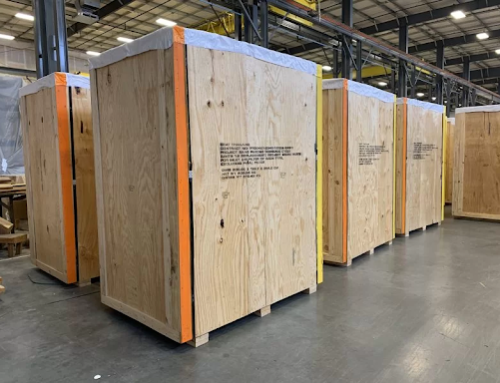
Robotic arm shipping crates provide an enclosed protective structure and are useful when equipment needs additional protection from impacts, handling, or environmental exposure.
For heavier systems that require convenient forklift access, a skid and pallet configuration may provide the necessary structural support while simplifying loading and unloading.
Custom pallets and crates can also be engineered to distribute equipment weight properly and provide dedicated points for securing the load.
Add Internal Protection
A strong exterior crate alone does not guarantee safe transportation. Internal protection is equally important for precision automation equipment.
Custom foam, cushioning, blocking, and fabricated supports can help isolate sensitive components from shock and vibration. These protective elements should be positioned according to the equipment’s actual shape and vulnerable areas.
For complex systems, removable internal supports can also make unpacking easier and help installation teams access the equipment without unnecessary handling.
Protect Against Moisture and Environmental Exposure
Automation equipment may travel through multiple climates before reaching its destination. Humidity and moisture can create additional risks, particularly during long-distance or international transportation.
Depending on the shipment, packaging may incorporate moisture barriers, desiccants, corrosion protection, or other environmental safeguards. Export shipments may also require packaging materials and construction methods that meet applicable international shipping requirements.
Design for Handling and Installation
Good automation equipment packaging should protect the equipment while making transportation and installation more efficient.
Packaging should account for forklift access, lifting points, crate opening, equipment orientation, and the order in which protective materials will be removed. Designing these details in advance can reduce handling time and make unloading safer.
For large or complex robotic systems, packaging that is designed around the installation process can provide significant practical advantages.
Test and Validate the Packaging Design
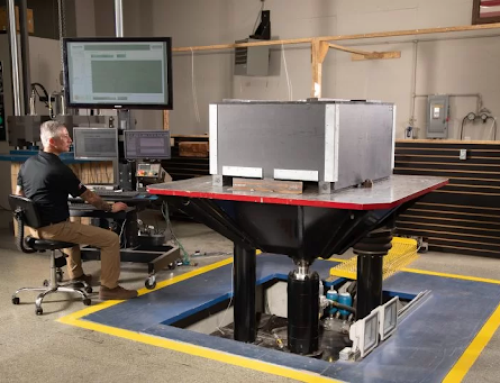
High-value robotic equipment deserves more than a generic packaging solution. Before shipment, the packaging design should be reviewed against expected transportation conditions, including vibration, impact, load distribution, and restraint requirements.
An experienced industrial packaging partner can help identify potential weaknesses and develop a solution based on the equipment’s actual shipping environment.
Protect Your Robotics From Shipment to Installation
Protective packaging for robotic arms and automation equipment requires a combination of structural support, secure restraints, internal cushioning, environmental protection, and practical handling features.
Whether you need custom crates, pallets, or skids, the right packaging can help reduce transportation damage and ensure valuable automation equipment reaches its destination ready for the next stage of operation.
FCA Packaging provides custom industrial packaging solutions designed around equipment specifications, transportation requirements, and handling needs.
Frequently Asked Questions
1. What is the best packaging for robotic arms?
The best solution depends on the robot’s size, weight, configuration, and shipping conditions. Custom crates with engineered supports, restraints, and internal cushioning are commonly used.
2. How do you protect robotic arms during shipping?
Robotic arms should be secured against movement using properly positioned supports and restraints. Sensitive components may also require custom cushioning and moisture protection.
3. Should automation equipment be shipped in a crate or on a pallet?
It depends on the equipment and shipping requirements. Crates provide enclosed protection, while pallets and skids can offer strong structural support and easier forklift handling.
4. Does robotic arm packaging require moisture protection?
Moisture protection may be necessary for long-distance, international, or environmentally challenging shipments. Options can include barriers, desiccants, and corrosion protection.
5. Can packaging be designed to simplify installation?
Yes. Custom packaging can incorporate lifting points, forklift access, removable supports, and an opening sequence designed around the equipment’s unloading and installation requirements.